


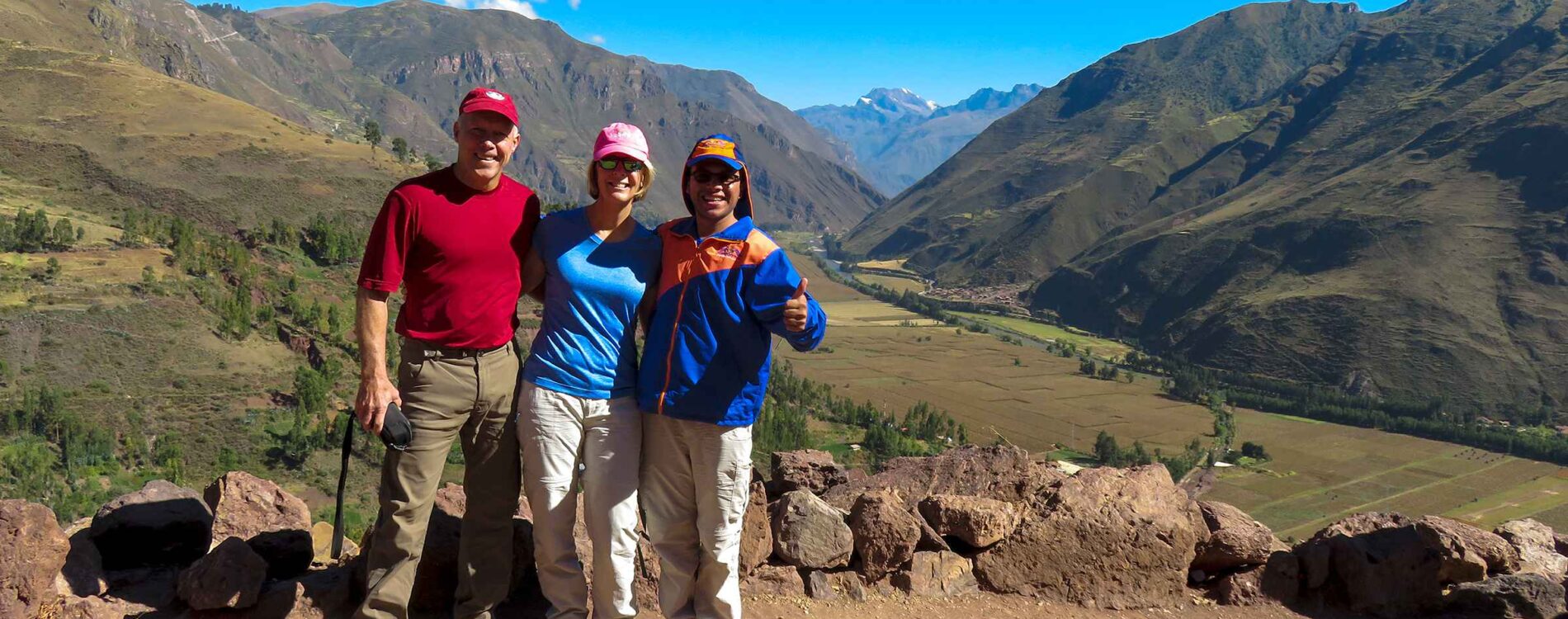
When travelers think of Cusco, iconic places like Machu Picchu, the Sacred Valley, and Rainbow Mountain often come to mind. However, just a short drive from the historic city lies a lesser-known but equally fascinating route known as the South Valley Cusco. This cultural corridor offers a deeper look into Inca engineering, colonial heritage, Andean traditions, and authentic local life—without the crowds found on more popular routes.
The South Valley of Cusco is perfect for travelers who want to explore archaeological sites, picturesque villages, and living traditions in a relaxed setting. Whether you are short on time or looking to enrich your itinerary, a South Valley Cusco tour provides an unforgettable experience rooted in history and culture.
What Is the South Valley of Cusco?
The South Valley Cusco refers to a group of historical and cultural attractions located south of the city of Cusco, mainly along the Vilcanota River. This area was extremely important during the Inca Empire and later became a center of Spanish colonial development.
Unlike the Sacred Valley, which focuses heavily on large Inca cities and agricultural terraces, the South Valley highlights hydraulic engineering, religious architecture, and traditional Andean communities. It is an ideal half-day or full-day excursion and is often combined with local markets and artisan workshops.
Why Visit the South Valley Cusco?
Visiting the South Valley offers several unique advantages:
- Fewer tourists and a more relaxed atmosphere
- Excellent archaeological sites with strong historical significance
- Opportunities to interact with local communities
- Beautiful Andean landscapes and colonial towns
- Easy access from Cusco city
For travelers interested in culture, history, and authentic experiences, the South Valley Cusco is a hidden gem that deserves attention.
Main Attractions in the South Valley Cusco
Tipón: Masterpiece of Inca Hydraulic Engineering
One of the highlights of the South Valley Cusco is Tipón, an impressive Inca archaeological complex known for its advanced water management system. The Incas designed a series of stone canals, fountains, and terraces that still function perfectly today.
Tipón is believed to have been a royal estate or ceremonial center dedicated to water worship. Crystal-clear streams flow through precisely carved channels, demonstrating the Incas’ deep understanding of hydraulics and harmony with nature.
Walking through Tipón offers not only a lesson in engineering but also a peaceful connection to Andean spirituality.
Pikillaqta: A Pre-Inca Urban City
Another major stop in the South Valley Cusco is Pikillaqta, a large pre-Inca city built by the Wari civilization between the 6th and 9th centuries. Unlike Inca architecture, Pikillaqta features straight streets, rectangular buildings, and high stone walls arranged in a planned urban layout.
This site helps visitors understand the civilizations that existed before the Incas and influenced their development. Exploring Pikillaqta feels like stepping into an ancient city frozen in time, surrounded by open landscapes and mountain views.
Andahuaylillas: The Sistine Chapel of the Andes
No South Valley Cusco tour is complete without visiting Andahuaylillas, a charming colonial town famous for its 16th-century church, San Pedro de Andahuaylillas. Often called the Sistine Chapel of the Andes, this church features stunning murals, gold-leaf altars, and intricate artwork blending indigenous and Spanish influences.
The church reflects how Andean and European cultures merged during the colonial period, creating a unique artistic and religious identity. Beyond the church, the town itself offers a peaceful plaza and welcoming local atmosphere.
Cultural Experiences in the South Valley Cusco
Traditional Andean Villages
One of the most rewarding aspects of visiting the South Valley Cusco is experiencing daily life in small Andean communities. Locals continue to practice ancient traditions, from farming methods to textile weaving, preserving cultural knowledge passed down through generations.
Visitors may encounter villagers wearing traditional clothing, speaking Quechua, and selling handmade products in local markets.
Local Gastronomy
The South Valley Cusco is also an excellent place to sample traditional Peruvian and Andean cuisine. Popular dishes include roasted cuy (guinea pig), fresh trout, corn-based meals, and homemade cheeses. Many tours include stops at local restaurants or family-run eateries offering authentic flavors.
Best Time to Visit the South Valley Cusco
The South Valley Cusco can be visited year-round, but the best time depends on your preferences:
- Dry season (May to September): Clear skies, cooler temperatures, ideal for photography
- Rainy season (November to March): Lush green landscapes, fewer tourists, occasional rain
- Shoulder months (April and October): Balanced weather and fewer crowds
Because the sites are easily accessible, even the rainy season remains a good option with proper planning.
How to Get to the South Valley Cusco
The South Valley is located approximately 30–50 kilometers south of Cusco city, making it easy to reach by:
- Guided tours (half-day or full-day)
- Private transportation or taxi
- Rental car for independent travelers
Most visitors prefer guided tours, as they include transportation, historical explanations, and entrance logistics.
South Valley Cusco Tour Options
Half-Day Tours
Ideal for travelers with limited time, half-day South Valley Cusco tours typically visit Tipón, Pikillaqta, and Andahuaylillas. These tours last around 5–6 hours and offer a great overview of the region.
Full-Day Tours
A full-day tour allows for a more relaxed pace, additional village stops, local meals, and cultural interactions. This option is perfect for travelers seeking a deeper understanding of Andean history and traditions.
Private Tours
Private South Valley Cusco tours provide flexibility, personalized explanations, and the ability to adjust stops according to your interests.
What to Bring for a South Valley Cusco Tour
To fully enjoy your visit, consider bringing:
- Comfortable walking shoes
- Sun protection (hat, sunscreen, sunglasses)
- Light jacket for changing temperatures
- Water and snacks
- Camera or smartphone
- Cash for local purchases
Since the sites involve light walking rather than strenuous hiking, the tour is suitable for all ages.
South Valley Cusco vs Sacred Valley
Many travelers wonder whether to choose the South Valley or the Sacred Valley. While both are exceptional, they offer different experiences:
- Sacred Valley: Larger Inca cities, dramatic landscapes, more tourists
- South Valley Cusco: Cultural depth, fewer crowds, strong colonial and pre-Inca history
Ideally, travelers should explore both valleys for a complete understanding of the Cusco region.
Who Should Visit the South Valley Cusco?
The South Valley Cusco is ideal for:
- Cultural and history enthusiasts
- Travelers seeking off-the-beaten-path experiences
- Families and senior travelers
- Photographers and slow travelers
- Visitors with limited time in Cusco
Its accessibility and variety make it suitable for almost every type of traveler.
Final Thoughts on the South Valley Cusco
The South Valley Cusco offers a remarkable journey through time, showcasing the brilliance of pre-Inca civilizations, the engineering mastery of the Incas, and the artistic fusion of the colonial era. With fewer crowds and rich cultural experiences, it provides an authentic perspective on Andean life that complements Cusco’s more famous attractions.
Whether you choose a half-day excursion or a full-day cultural immersion, the South Valley Cusco will leave you with a deeper appreciation of Peru’s heritage, traditions, and timeless landscapes. For travelers looking beyond the usual routes, this hidden valley is a destination not to be missed.
