


Mechanical keyboards have come a long way from being simple typing tools used in early computers. Today, they are a favorite among gamers, programmers, and tech enthusiasts because of their durability, performance, and customization options. As technology continues to evolve, The Future of the Mechanical Keyboard in Tech and Gaming looks even more exciting. From smarter features to improved ergonomics, mechanical keyboard are expected to play an even bigger role in both productivity and entertainment.
The Growing Popularity of Mechanical Keyboards
Over the past decade, mechanical keyboards have gained massive popularity. Unlike traditional membrane keyboards, they use individual mechanical switches for each key, providing a more tactile and responsive typing experience.
Gamers appreciate the fast response times and accuracy, while professionals value the comfort and reliability during long hours of typing. Because of these benefits, discussions around The Future of the Mechanical Keyboard in Tech and Gaming often focus on how these devices will become even more advanced and widely adopted.
Advanced Switch Technology
One of the most important developments shaping The Future of the Mechanical Keyboard in Tech and Gaming is the improvement of switch technology. Manufacturers are constantly experimenting with new switch designs to enhance speed, durability, and feel.
Optical switches, magnetic switches, and low-profile switches are already gaining attention. These technologies can provide faster actuation, longer lifespan, and quieter operation. As innovation continues, users can expect switches that are even more responsive and customizable for both gaming and professional work.
Greater Customization and Personalization
Customization has always been a major attraction of mechanical keyboards. Users can swap keycaps, change switches, and modify lighting effects to match their preferences.
In the future, keyboards may allow even deeper levels of personalization. Smart software could automatically adjust lighting, key sensitivity, and macros depending on the game or application being used. This growing flexibility highlights The Future of the Mechanical Keyboard in Tech and Gaming as a more personalized and adaptive experience for users.
Integration with Smart Technology
Another exciting development is the integration of mechanical keyboards with smart technology. Future keyboards may include built-in displays, touch controls, or AI-powered features.
For example, keyboards could display notifications, system statistics, or in-game information directly on small screens embedded within the device. Voice commands and AI-driven shortcuts may also become common, making keyboards not just input devices but interactive control hubs.
Improved Ergonomics and Comfort
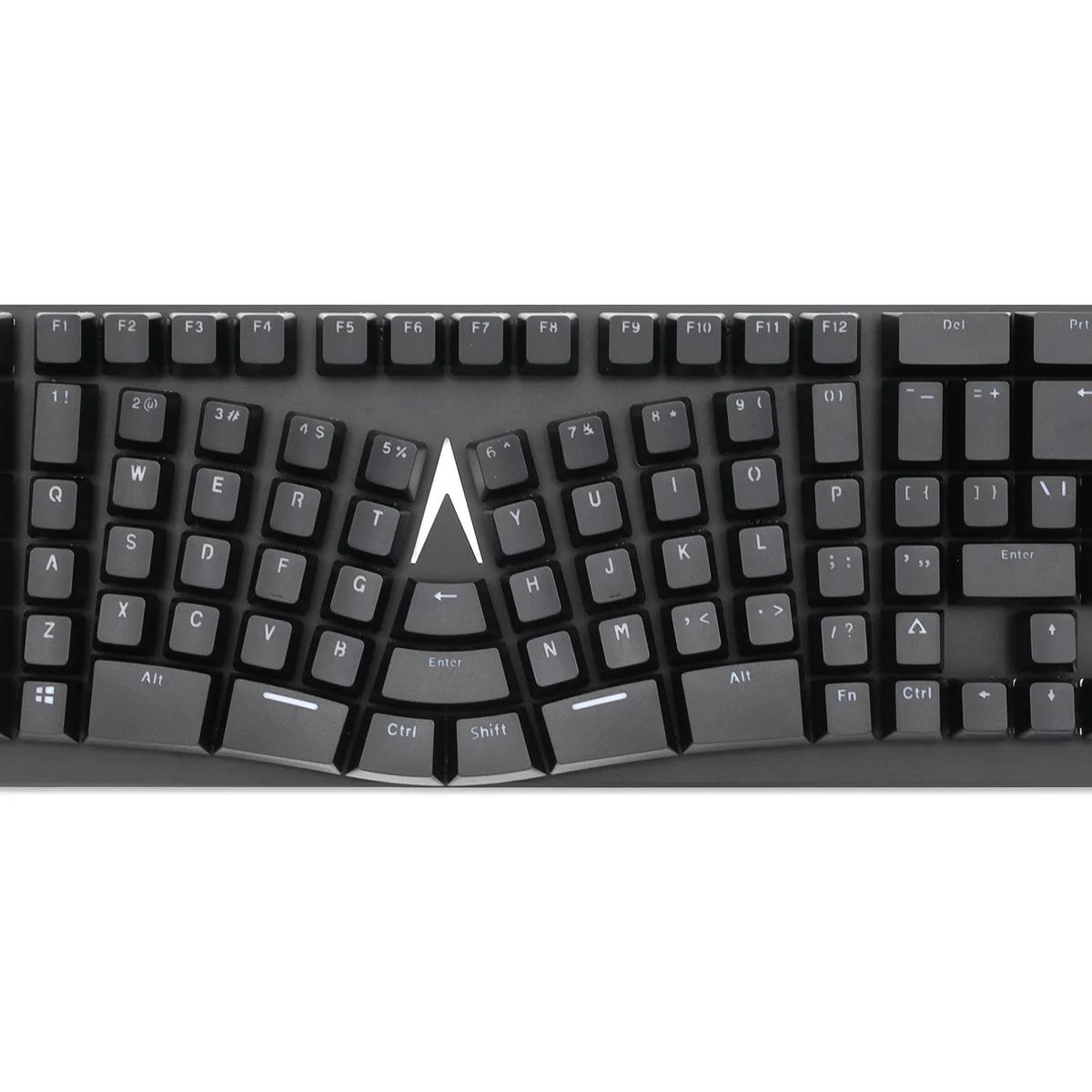
As people spend more time working and gaming at their computers, ergonomic design is becoming increasingly important. Manufacturers are exploring new shapes, wrist support systems, and adjustable layouts to reduce strain.
Split keyboards, tenting options, and softer key materials could become standard features. These improvements will make long typing or gaming sessions more comfortable while maintaining the precision mechanical keyboards are known for.
Sustainability and Eco-Friendly Designs
Another trend influencing The Future of the Mechanical Keyboard in Tech and Gaming is sustainability. Many companies are beginning to use recyclable materials, longer-lasting components, and modular designs.
Instead of replacing an entire keyboard when one part fails, users may simply replace individual switches or components. This approach not only reduces waste but also makes keyboards more cost-effective over time.
The Role of Mechanical Keyboards in Competitive Gaming
Competitive gaming continues to grow worldwide, and professional gamers demand equipment that offers the best performance. Mechanical keyboards provide the speed, accuracy, and reliability needed in high-level competitions.
In the future, keyboards designed specifically for esports may include ultra-low latency connections, customizable actuation points, and advanced macro systems. These improvements will further solidify mechanical keyboards as essential tools for serious gamers.
Conclusion
Mechanical keyboards have already proven their value in both professional and gaming environments. However, ongoing innovation suggests that their potential is far from fully realized. With advances in switch technology, customization, ergonomics, and smart integration, The Future of the Mechanical Keyboard in Tech and Gaming promises devices that are more powerful, personalized, and efficient than ever before.
