


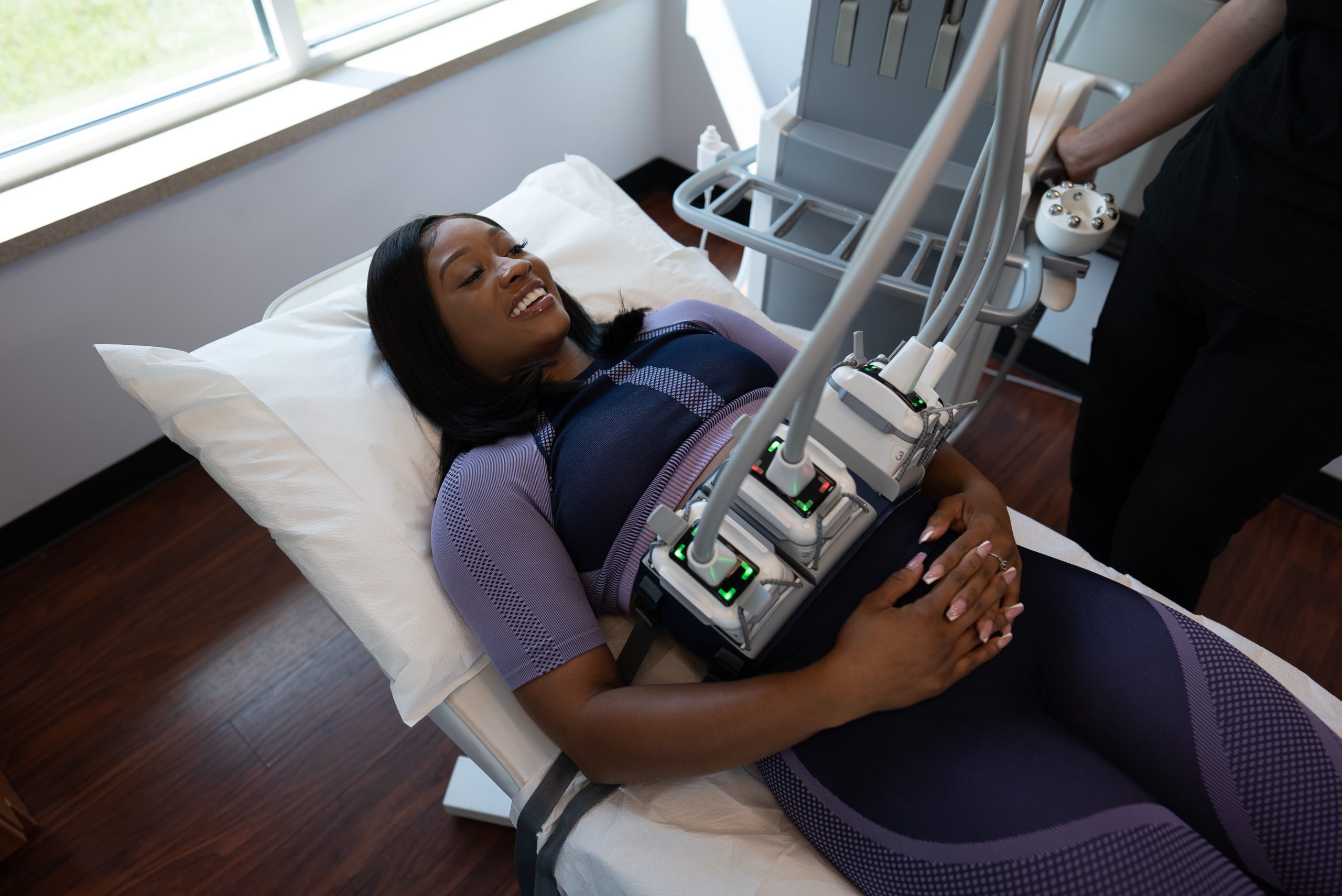
Body contouring has evolved considerably, giving patients more than one way to address localized fat deposits. Two commonly discussed options are traditional liposuction and laser-assisted liposuction, often called laser lipo. Although both are designed to improve body contours rather than serve as weight-loss treatments, they use different technologies and may suit different goals.
Understanding Traditional Liposuction
Traditional liposuction removes unwanted fat through a small cannula connected to a suction system. The surgeon carefully moves the cannula through targeted areas to remove excess subcutaneous fat and create a more balanced contour.
One of its major strengths is its versatility. It can be used on areas such as the abdomen, hips, thighs, arms, chin, waist, and other regions where localized fat remains despite diet and exercise.
Because the technique directly removes fat, traditional liposuction can be particularly useful when a patient has larger or more substantial fat deposits that require contouring.
What Makes Laser Lipo Different?
Laser-assisted liposuction introduces laser energy into the treatment area before the fat is removed. The energy can help disrupt or liquefy fat cells, while also producing thermal effects in surrounding tissue.
One of the reasons laser lipo attracts attention is the possibility of improving skin contraction. Some clinical research has reported greater skin shrinkage or tightening with laser-assisted techniques, although broader evidence has not consistently demonstrated that laser lipo is superior to conventional liposuction.
It is important to understand that laser assistance does not eliminate the surgical nature of liposuction. Depending on the technique and treatment area, fat may still need to be suctioned out after laser energy has been applied.
Comparing Fat Removal
Both approaches can remove localized fat, but the way they accomplish this differs. Traditional liposuction relies primarily on mechanical removal, while laser-assisted liposuction adds energy to the process.
For people with relatively modest areas of unwanted fat and some concern about skin laxity, laser assistance may be considered as part of the treatment plan. For individuals requiring more extensive fat removal, conventional liposuction may remain an appropriate choice.
The amount of fat that can safely be removed depends on factors such as the treatment area, overall health, surgical plan, and the surgeon’s assessment—not simply on the technology being used.
What About Skin Tightening?
Skin quality is an important consideration when choosing between procedures. Laser energy may stimulate collagen-related changes and can produce tissue-heating effects that potentially contribute to skin contraction.
However, laser lipo should not be viewed as a guaranteed solution for significant loose skin. Research comparing laser-assisted and traditional techniques has produced mixed findings, and systematic reviews have noted limitations in the quality of available evidence.
Patients with substantial skin excess may therefore require a different body-contouring strategy rather than relying on liposuction alone.
Recovery and Comfort
Recovery varies according to the treatment area, amount of fat removed, anesthesia, surgical technique, and individual healing. Bruising, swelling, tenderness, and temporary changes in sensation can occur after liposuction.
Some studies have reported potentially less postoperative discomfort with laser-assisted procedures, but this does not mean recovery will always be easier for every patient.
Following postoperative instructions, wearing compression garments when recommended, limiting strenuous activity during the appropriate period, and attending follow-up appointments can all contribute to a smoother recovery.
How to Find the Right Treatment
If you are searching for laser lipo near me, avoid choosing a provider based solely on advertisements, low prices, or claims of superior results. Instead, look for an appropriately qualified surgeon with specific experience in the technique being considered. Professional guidance also emphasizes that laser- or energy-assisted liposuction can carry risks when performed by inexperienced practitioners.
During a consultation, ask what technique is being recommended and why, how much fat is appropriate to remove, what type of anesthesia will be used, what recovery will involve, and whether your skin elasticity is suitable for liposuction.
Safety Should Come Before Technology
Neither laser lipo nor traditional liposuction should be considered risk-free. Possible complications can include infection, bleeding, fluid collections, contour irregularities, changes in sensation, and—in laser-assisted procedures—thermal injuries such as burns.
Recent large-scale data suggest that complication rates vary among different liposuction technologies, while other reviews emphasize that patient selection, technique, and appropriate medical care remain important factors in safety.
This is why the experience and qualifications of the practitioner may matter more than simply choosing the newest technology.
Which Option Fits You Best?
There is no universal winner between laser lipo and traditional liposuction. The better option depends on your anatomy, fat distribution, skin elasticity, desired degree of contouring, medical history, and expectations.
Laser-assisted liposuction may be worth discussing if:
- You have localized areas of stubborn fat.
- You have mild skin laxity.
- You are interested in an energy-assisted technique.
- Your surgeon believes the technology is appropriate for your anatomy.
Traditional liposuction may be worth discussing if:
- You have larger areas of localized fat.
- Your primary goal is substantial fat removal and contouring.
- Your surgeon believes conventional suction will provide the most predictable result.
The Bottom Line
Laser lipo and traditional liposuction share the same broad objective: reshaping areas of the body with localized fat that does not respond adequately to lifestyle changes. Laser technology may provide additional tissue effects and has shown promising results in some studies, but current evidence does not establish it as universally superior to traditional liposuction.
Ultimately, the best choice is the procedure that matches your individual anatomy and goals and can be performed safely by a qualified, experienced practitioner. A personalized consultation is the most reliable way to determine which approach is appropriate for you.
