


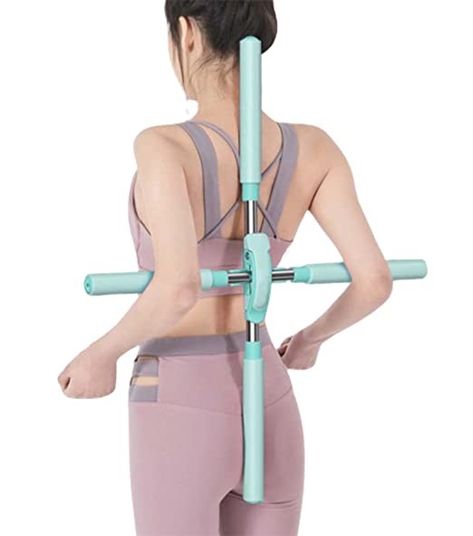
Choosing the right back straightener, also known as a posture corrector or back brace, can make a significant difference in improving your posture, reducing back pain, and supporting your spine. However, with so many options available on the market, finding the one that best suits your specific needs can be overwhelming. Whether you’re dealing with chronic back pain, recovering from an injury, or simply trying to maintain better posture, understanding the different types of back straighteners and considering key factors in their design can help you make an informed decision.
In this article, we will explore the essential factors to consider when selecting the right back straightener for your needs.
1. Determine Your Purpose
The first step in choosing the right back straightener is to determine the purpose for which you need it. Are you looking for something to support your posture, alleviate back pain, or aid in recovery from an injury? Your specific needs will influence the type of back straightener that will be most effective.
- For Posture Correction: If your primary goal is to improve your posture, look for a posture straightener designed to gently encourage proper alignment of the spine and shoulders. These devices are often lightweight, discreet, and worn for short periods during activities like sitting at a desk, driving, or watching TV.
- For Pain Relief: If you suffer from chronic back pain or discomfort, consider a more supportive back brace that provides firm compression and stability to the spine. These types of back straighteners are designed to alleviate pain caused by conditions like sciatica, muscle strain, or degenerative disc disease.
- For Injury Recovery: If you’re recovering from a back injury, a more robust back straightener may be required to immobilize the spine and prevent further strain. These devices often have adjustable straps, extra padding, and additional support for the lumbar region to assist in the healing process.
2. Assess the Level of Support
Back straighteners come in different levels of support, ranging from light support for improving posture to heavy-duty support for injury recovery or chronic pain relief. Understanding the level of support you need will help you select the best option for your specific situation.
- Light Support: Light support is ideal for people looking to improve posture or prevent back strain during everyday activities. These back straighteners are often made of soft, breathable materials and provide a gentle reminder to maintain good posture without restricting movement.
- Medium Support: If you’re dealing with mild to moderate back pain or need extra support while working at a desk or lifting, a medium-support back straightener might be more appropriate. These devices typically feature adjustable straps and offer a balance of comfort and stability.
- Heavy Support: For individuals recovering from a back injury or managing chronic pain, a back straightener with heavy support may be necessary. These models are often more rigid, feature reinforced panels, and provide firm compression to stabilize the spine. They are designed to limit movement and reduce pressure on injured areas.
3. Consider the Fit and Adjustability
A proper fit is crucial to ensuring that the back straightener effectively supports your spine and provides maximum comfort. An ill-fitting device can lead to discomfort, irritation, or even exacerbate the problem.
- Size: Many back straighteners come in different sizes, so it’s important to choose one that fits your body type. Measure your waist, chest, and torso length to ensure you select the correct size. Some models are adjustable and offer a customizable fit, which is ideal for individuals who may have fluctuating body sizes or want to fine-tune the fit.
- Adjustable Straps: Look for a back straightener with adjustable straps that allow you to tailor the level of support and compression. This feature is especially helpful for individuals who need flexibility in how tight or loose the device feels throughout the day.
- Comfort: Ensure that the back straightener is comfortable to wear for the intended duration. Consider the materials used in the device, such as breathable fabrics, soft padding, and moisture-wicking properties, to ensure comfort during use. You’ll want a device that doesn’t cause irritation or discomfort while worn.
4. Material and Breathability
The material of the back straightener plays an important role in both comfort and durability. It’s essential to choose a product made from high-quality, breathable fabrics that won’t cause skin irritation or excessive sweating during use.
- Breathable Fabrics: Choose a back straightener made from breathable and moisture-wicking materials such as cotton, mesh, or spandex. These fabrics will help keep you cool and comfortable, especially if you plan to wear the device for long periods or during physical activities.
- Durability: Consider the longevity of the materials used in the construction of the back straightener. Reinforced panels or durable stitching can help ensure the device maintains its shape and functionality over time. Look for products that are easy to clean and maintain as well.
5. Ease of Use
The back straightener should be easy to put on and take off. Complicated fastening systems or overly rigid designs can make it difficult to adjust the device for comfort, especially if you need to wear it frequently.
- Simple Fastenings: Many back straighteners feature Velcro straps, buckles, or snap closures that are easy to fasten and adjust. Choose one with a fastening system that suits your preferences and allows for quick adjustments.
- Lightweight Design: Look for a back straightener that is lightweight and easy to wear. Bulkier devices may provide more support but can also limit mobility and cause discomfort. A lightweight model will allow you to wear it for extended periods without feeling restricted.
6. Discreetness and Portability
If you plan to wear the back straightener during daily activities, such as working at a desk or going about your routine, it’s important to choose a model that is discreet and doesn’t draw attention. This is especially true for individuals who want to wear the device under their clothes without it being visible.
- Discreet Design: Some back straighteners are designed to be worn under clothing and have a low-profile design that won’t show through shirts or jackets. Look for a device that is slim and unobtrusive, allowing you to wear it during regular activities without feeling self-conscious.
- Portability: If you need to wear the back straightener while traveling or during long periods of sitting, look for a lightweight, portable option that can be easily packed or carried. A device that doesn’t take up too much space will be more convenient for people on the go.
7. Check Reviews and Recommendations
Before making a purchase, it’s a good idea to read reviews from other customers who have used the same product. Their feedback can provide valuable insights into the effectiveness, comfort, and durability of the back straightener. Additionally, seek recommendations from healthcare professionals, such as physical therapists or chiropractors, who can offer personalized advice based on your specific condition and needs.
8. Budget Considerations
Back straighteners come in a wide range of price points, from affordable options to high-end models. While it’s tempting to choose the least expensive option, remember that quality and durability are important factors when selecting a back straightener. A higher-quality product may cost more upfront but could save you money in the long run by offering greater support, comfort, and durability.
Conclusion
Choosing the right back straightener involves understanding your specific needs, assessing the level of support required, and considering factors like fit, comfort, and material. Whether you’re looking to improve posture, relieve chronic pain, or recover from an injury, there is a back straightener available to help. By taking the time to evaluate the various options and selecting the one that best meets your needs, you can enjoy the benefits of improved posture, reduced pain, and enhanced spinal health. If in doubt, consulting with a healthcare professional can provide additional guidance in finding the perfect back straightener for you.
