


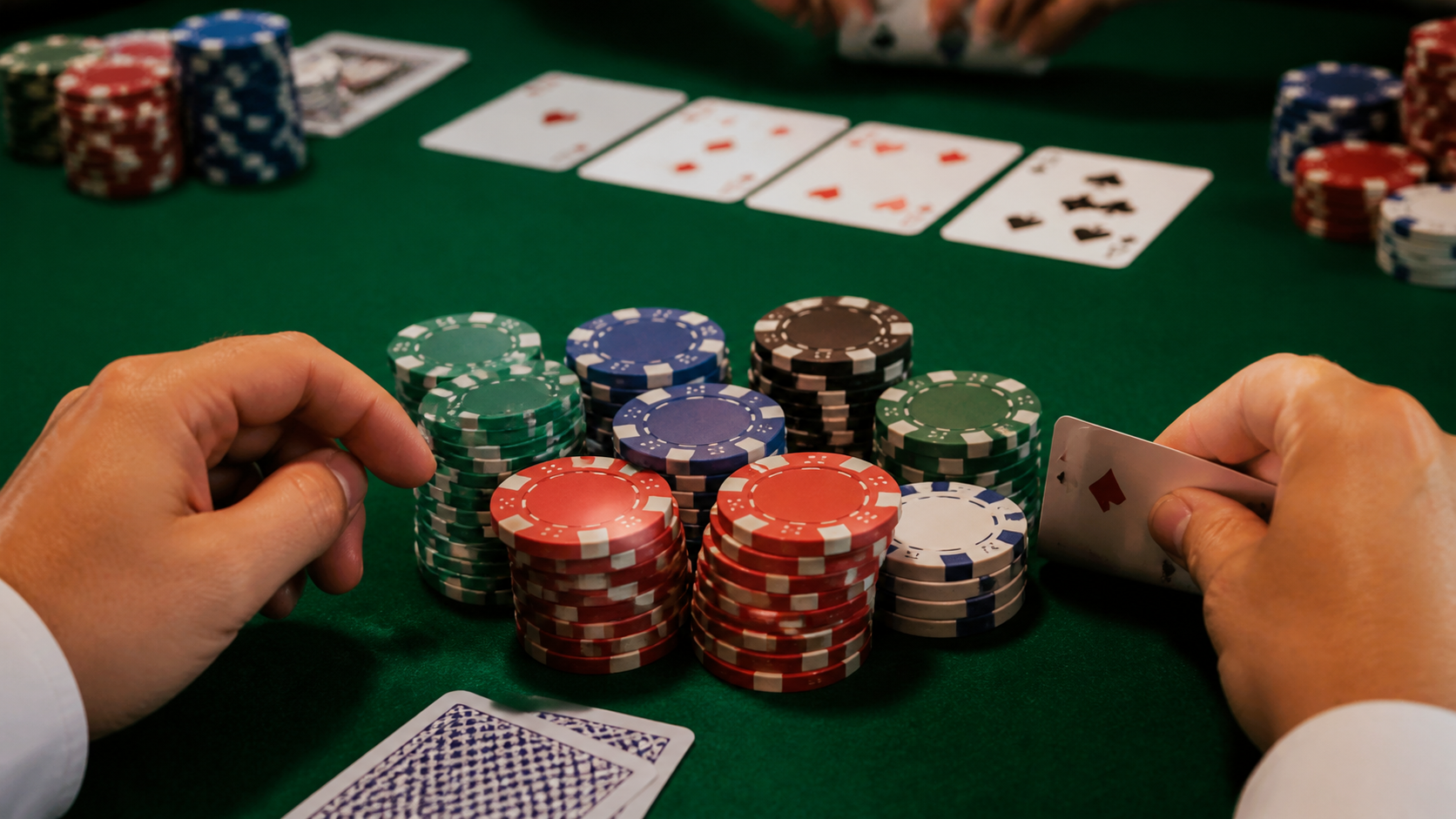
Online poker has remained one of the most enduring casino games because it blends luck, observation, patience, and decision-making in a way few other games do. For many players, the appeal is not only the chance to win money, but also the challenge of reading situations, managing pressure, and making consistent choices over time. That mix makes the game rewarding, but it also means players benefit from understanding how the environment works before putting real money on the line.
When people look at online poker real money, they are often focused on the action itself: the cards, the betting, and the possibility of a profitable session. Yet the stronger approach begins earlier, with practical decisions about game type, bankroll management, table selection, and personal discipline. Those basics do not remove uncertainty, but they can make play more structured and far easier to manage.
What Makes Online Poker Different From Other Casino Games
Online poker is unusual because you are not simply playing against the house in the same way you would with slots or roulette. In most poker formats, you are competing against other players, and the site provides the platform rather than the opposing hand. That difference changes how you should think about risk, strategy, and expectations. Instead of chasing a fixed game pattern, you are responding to the styles and tendencies of real opponents.
This also means results can feel inconsistent in the short term. A player may make reasonable decisions and still lose several hands in a row. That is normal. Over time, stronger decision-making tends to matter more than any single session. Players who understand that distinction are usually better prepared for the swings that come with the game.
Another important difference is pace. Online tables move faster than live poker, and that speed can be helpful or difficult depending on the player. Faster play creates more hands and more opportunities, but it can also lead to rushed decisions if attention drifts. A good online player learns to stay calm, use the available time wisely, and avoid treating every hand as if it must be forced into action.
Choosing the Right Game Format and Stakes
Not every poker format suits every player. Some people prefer tournament play because it offers a defined structure and the possibility of building a larger score from a relatively small buy-in. Others like cash games because they can sit down, leave when they want, and play at a pace that fits their schedule. The key is to choose a format that matches both your goals and your attention span.
Stakes matter just as much as format. A table that looks small on paper can still feel uncomfortable if it exceeds your budget or emotional tolerance. It is usually better to start lower and build confidence than to jump into games that create pressure before you are ready. Lower stakes also give you more room to learn patterns without turning each mistake into a stressful event.
Cash Games vs. Tournaments
Cash games are often more flexible. Each chip has a direct value, and you can leave the table without waiting for a final ranking. That makes them suitable for players who want a steady, controlled experience. Tournaments, by contrast, demand patience and endurance. They can be exciting because every decision may affect your long-term position, but they can also test discipline over a longer stretch.
If you are new, try to think about which setting helps you make clearer decisions. Some players do better with the simplicity of cash games. Others prefer the structure of tournaments and the feeling of progression. There is no universal answer; the better choice is the one that fits your habits and keeps your play focused.
Table Selection Matters
One of the most overlooked parts of poker is choosing the right table. A table filled with experienced, aggressive players may be much harder to navigate than one with looser, less disciplined opponents. Table selection is not about finding easy wins in a guaranteed sense; it is about placing yourself in a setting where your decisions have a fair chance to matter.
Pay attention to pacing, stack sizes, and how the table behaves over several hands. A smart selection process can reduce avoidable frustration and help you play in a more measured way. That kind of awareness often matters more than flashy moves.
Bankroll Management and Session Discipline
Anyone playing poker for real money should give serious thought to bankroll management. This simply means deciding how much money is set aside for play and how much of it you are willing to risk in a single session or game type. Without that boundary, even a few bad decisions can become more costly than expected.
A practical bankroll plan does not need to be complicated. The main idea is to avoid mixing poker funds with everyday expenses and to set limits that fit your comfort level. If a session is going poorly, it is usually better to step away than to increase pressure by trying to recover losses too quickly. Many problems in poker come not from the cards themselves, but from the urge to force an outcome.
- Set a separate poker budget and keep it consistent
- Choose stakes that leave room for normal variance
- Decide in advance when to stop for the day
- Avoid chasing losses after a difficult run
- Review your play after sessions instead of reacting emotionally during them
Session discipline also includes your physical and mental setup. If you are distracted, tired, or multitasking, mistakes become more likely. Poker rewards attention. Even small lapses can lead to poor timing, weak calls, or unnecessary bluffs. Treat each session as a focused activity rather than background entertainment if you want clearer results.
Reading the Game and Improving Decision-Making
Good poker players do not simply look at their own cards. They pay attention to betting patterns, timing, and how different opponents behave across many hands. Online poker gives you less physical information than live play, so your reading has to come more from behavior at the table. That means noticing who plays too many hands, who folds too often, and who changes pace when pressure increases.
Improvement usually comes from learning a few solid habits rather than trying to master everything at once. You do not need to make dramatic bluffs or complex lines in every hand. Often, the better choice is the simpler one: fold when the situation is weak, bet for value when you likely have the best hand, and avoid giving away chips in marginal spots.
Common Mistakes New Players Make
Many beginners overplay weak hands because they do not want to miss action. Others call too often out of curiosity, even when the situation suggests a fold. There is also the tendency to treat a strong hand as if it must win every time, which can lead to disappointment when the board changes or an opponent takes an unexpected line.
Some of the most common errors include:
- Playing too many hands from early position
- Ignoring table dynamics and opponent behavior
- Chasing losses instead of resetting mentally
- Bluffing without a clear reason
- Failing to adjust to faster online pacing
These mistakes are normal, especially early on, but they become easier to correct once you notice them. A player who reviews hands honestly will usually improve faster than a player who only focuses on results.
Building Better Habits Over Time
Progress in poker often looks gradual. A stronger player is not always the one making the biggest moves; more often, it is the one making fewer unnecessary errors. Keeping notes about opponents, reflecting on difficult hands, and staying consistent with your limits can all help. Over time, those habits create a more stable approach and reduce the emotional swing that can come with short-term variance.
It also helps to avoid copying the style of advanced players before you understand why they use it. A move that works in one context may be poor in another. Sound decision-making comes from understanding the situation, not from imitating highlights.
Playing Responsibly and Setting Realistic Expectations
Real-money poker should be approached as a game of uncertainty, not as a dependable income plan. Some sessions will go well and others will not, even when your choices are sensible. That is part of the game, and accepting it early can help prevent frustration. The goal is to make thoughtful decisions, not to assume every hand should produce the same result.
Responsible play also means knowing when to stop. If the game stops feeling fun, if losses are affecting your mood, or if you are tempted to make rushed decisions, it may be time to pause. A break can often do more for your long-term results than pressing on through a bad stretch. The strongest players are usually not the most aggressive; they are the ones who stay balanced.
For readers interested in online poker real money play, the best mindset is measured and practical. Learn the format, respect your budget, choose tables carefully, and keep your decisions grounded in the situation in front of you. That approach does not promise outcomes, but it does create a steadier and more manageable way to enjoy the game.
Final Thoughts on Playing Online Poker for Real Money
Online poker offers more depth than many casino games because it rewards observation, patience, and self-control. The players who benefit most are usually the ones who treat each session as part of a longer learning process rather than a one-off gamble. By choosing suitable stakes, managing your bankroll, and paying attention to table dynamics, you give yourself a better foundation for consistent play.
In the end, the most useful edge is not a dramatic strategy but a disciplined one. If you stay selective, avoid rushed decisions, and keep your expectations realistic, online poker can be both engaging and easier to manage. That combination is what makes the game appealing to so many players in the first place.
