


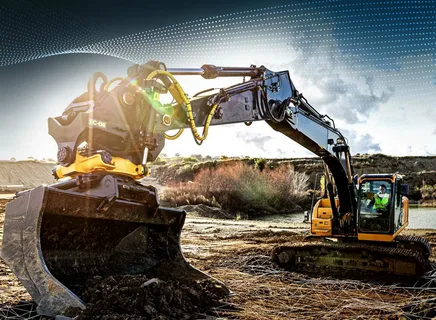
Modern infrastructure projects are becoming increasingly complex as cities grow and demand smarter, more efficient systems. Advanced technologies such as automation, real-time data, and digital connectivity are transforming the way construction projects are executed. One of the most impactful innovations driving this transformation is machine control technology. In particular, The Future of machine control construction in Smart Infrastructure is shaping how engineers, contractors, and planners build the next generation of roads, bridges, and urban systems.
Understanding Machine Control in Modern Construction
Machine control refers to the use of GPS, sensors, and digital design models to guide heavy construction equipment with high precision. By integrating digital terrain models with automated machinery, operators can perform grading, excavation, and paving tasks more accurately and efficiently.
As infrastructure becomes more intelligent and interconnected, The Future of Machine Control Construction in Smart Infrastructure lies in combining automation with data-driven decision-making. This allows construction teams to reduce manual errors, optimize workflows, and ensure that projects meet strict design specifications.
Integration with Smart Infrastructure Systems
Smart infrastructure relies on digital technologies such as IoT sensors, cloud-based platforms, and real-time monitoring systems. Machine control technology plays a vital role in ensuring that infrastructure is built precisely according to digital plans that support these systems.
For example, road construction projects can use machine control systems to create perfectly graded surfaces that support smart traffic management technologies. In this context, The Future of Machine Control Construction in Smart Infrastructure includes seamless integration between construction equipment, project management platforms, and smart city networks.
Improved Efficiency and Cost Reduction
One of the biggest advantages of machine control systems is their ability to improve productivity while reducing operational costs. Traditional construction methods often require repeated surveying and rework due to inaccuracies in manual operations.
With automated guidance systems, machines can follow digital models with centimeter-level accuracy. This minimizes material waste, reduces project timelines, and improves overall efficiency. As these technologies continue to evolve, The Future of Machine Control Construction in Smart Infrastructure will enable construction firms to complete complex projects faster while maintaining high quality standards.
Data-Driven Construction and Real-Time Monitoring
Another key trend shaping the industry is the use of data analytics and real-time monitoring. Machine control systems collect valuable operational data that can be used to track equipment performance, monitor progress, and identify potential issues before they escalate.
In the coming years, The Future of Machine Control Construction in Smart Infrastructure will involve deeper integration with digital twins, cloud platforms, and artificial intelligence. These technologies will allow project managers to simulate construction processes, predict outcomes, and make informed decisions throughout the project lifecycle.
Supporting Sustainable and Resilient Infrastructure
Sustainability is becoming a central focus in infrastructure development. Machine control technology contributes to this goal by reducing fuel consumption, minimizing material waste, and optimizing construction processes.
Smart infrastructure projects require precision and efficiency to ensure long-term durability and environmental responsibility. By improving accuracy and reducing unnecessary rework, machine control systems support more sustainable construction practices.
Conclusion
The construction industry is undergoing a major technological transformation, driven by automation, connectivity, and data intelligence. As cities invest in smarter infrastructure, advanced construction technologies will become essential for delivering efficient and reliable projects.
Ultimately, The Future of Machine Control Construction in Smart Infrastructure will redefine how infrastructure is designed, built, and maintained. By integrating machine control systems with digital technologies, the industry can achieve greater precision, productivity, and sustainability in the development of modern infrastructure.
