


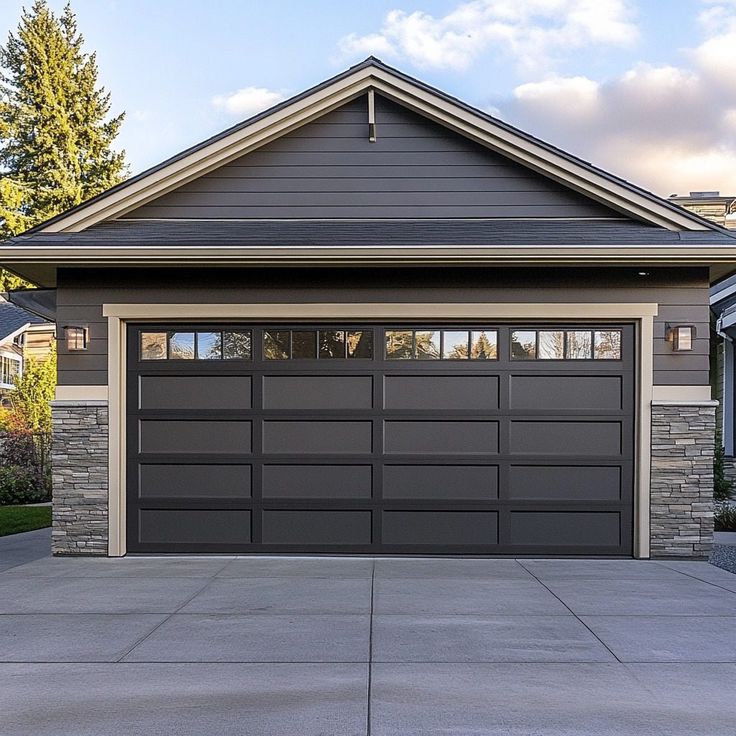
Installing a garage door in a garage with limited space can be challenging, but modern garage door systems offer several track clearance solutions that make installation possible even in tight areas. Whether you’re dealing with a low ceiling, limited side room, exposed ductwork, or structural obstacles, understanding the available garage door track clearance options can help you choose the right system for your space.
Many homeowners assume that a garage with restricted dimensions cannot accommodate a modern garage door, but specialized track systems and hardware configurations can often solve these issues. By understanding how garage door opener replacement Phoenix AZ tracks work and what options are available, you can maximize functionality without sacrificing performance or safety.
What Is Garage Door Track Clearance?
Garage door track clearance refers to the amount of available space around the garage door opening that is required for proper installation and operation.
The main clearance areas include:
- Headroom
- Side room
- Backroom
- Ceiling clearance
Each of these dimensions affects how the garage door tracks, springs, and opener system are installed.
When space is limited in any of these areas, specialized track systems may be needed.
Why Track Clearance Matters
Garage door tracks guide the door as it moves from a vertical position to a horizontal position when opening.
Adequate clearance ensures:
- Smooth operation
- Proper door alignment
- Safe movement
- Correct spring function
- Compatibility with automatic openers
Without sufficient clearance, standard track systems may not fit or operate correctly.
Common Space Limitations in Garages
Many garages have unique structural features that create installation challenges.
Common obstacles include:
- Low ceilings
- Overhead ductwork
- Plumbing lines
- Electrical conduits
- Storage shelves
- Structural beams
- Limited wall space
Fortunately, garage door manufacturers offer several track configurations designed specifically for these situations.
Standard Garage Door Track Systems
A standard garage door track system is the most common installation method used in residential garages.
Typically, standard tracks require:
- Approximately 12 inches of headroom for manual doors
- Approximately 15 inches of headroom for automatic openers
In a standard setup, the door travels upward briefly before curving onto horizontal tracks mounted near the ceiling.
For garages with adequate space, this arrangement provides reliable and efficient operation.
Low-Headroom Track Systems
One of the most popular solutions for tight spaces is a low-headroom track system.
What Is a Low-Headroom Track?
A low-headroom system is designed for garages with limited space above the door opening.
Instead of using the traditional track curve, these systems utilize specialized hardware that allows the garage door to operate with significantly less vertical clearance.
Benefits of Low-Headroom Systems
Advantages include:
- Installation in garages with low ceilings
- Efficient use of available space
- Compatibility with many door styles
- Reliable operation
Many low-headroom systems can function with as little as 4 to 9 inches of headroom.
Ideal Applications
Low-headroom tracks are commonly used in:
- Older homes
- Basement garages
- Renovated garages
- Garages with overhead obstructions
High-Lift Track Systems
While low-headroom systems address limited vertical space, high-lift tracks are designed to maximize available ceiling height.
How High-Lift Tracks Work
High-lift systems extend the vertical track section before transitioning to the horizontal track.
This allows the door to travel higher up the wall before moving toward the ceiling.
Benefits of High-Lift Systems
Advantages include:
- More overhead storage space
- Better compatibility with vehicle lifts
- Improved workshop functionality
- Increased vertical clearance
Best Uses
High-lift tracks are ideal for:
- Tall garages
- Automotive workshops
- RV storage garages
- Homes with high ceilings
Vertical-Lift Track Systems
For garages with exceptionally high ceilings, vertical-lift systems may be an option.
What Is a Vertical-Lift Door?
With a vertical-lift system, the garage door travels straight upward without transitioning onto horizontal tracks.
The door remains vertical throughout its movement.
Benefits
Vertical-lift systems provide:
- Maximum overhead clearance
- No horizontal track interference
- Efficient use of wall space
Common Applications
These systems are frequently used in:
- Commercial buildings
- Warehouses
- Industrial facilities
- Aircraft hangars
They are less common in residential settings but can be useful in specialized situations.
Roof-Pitch Track Systems
Garages with sloped or vaulted ceilings often require customized track arrangements.
How Roof-Pitch Tracks Work
Roof-pitch tracks follow the angle of the ceiling rather than remaining level.
This allows the garage door to utilize available space efficiently while accommodating architectural features.
Advantages
Benefits include:
- Better use of sloped ceilings
- Improved door positioning
- Greater design flexibility
These systems are commonly found in custom-built homes.
Rear Torsion Spring Systems
In some garages, limited headroom makes traditional torsion spring placement difficult.
What Is a Rear Torsion System?
A rear torsion system relocates the spring assembly farther back along the horizontal tracks.
Benefits
Advantages include:
- Improved compatibility with low-clearance installations
- More flexibility in tight spaces
- Reliable spring performance
Professional evaluation is necessary to determine if this option is appropriate.
Wall-Mounted Garage Door Openers
Garage door openers can also affect track clearance requirements.
Traditional Ceiling-Mounted Openers
Standard openers require ceiling space for:
- Opener rails
- Motor units
- Mounting hardware
This can create challenges in garages with limited overhead room.
Jackshaft Openers
Wall-mounted jackshaft openers eliminate the need for ceiling-mounted rails.
Benefits include:
- Increased overhead storage space
- Improved compatibility with high-lift systems
- Cleaner garage appearance
- Better functionality in tight spaces
These openers are often recommended for garages with unusual clearance limitations.
Side Room Considerations
In addition to overhead clearance, garage doors require side room for track mounting and spring systems.
Typical Side Room Requirements
Most residential garage doors need:
- 3 to 6 inches of side room on each side
Larger doors or specialized systems may require more.
Tight Side Room Solutions
When side room is limited, installers may recommend:
- Compact hardware
- Alternative spring configurations
- Customized track layouts
A professional assessment helps identify the best solution.
Backroom Requirements
Backroom refers to the distance from the garage door opening to the rear wall.
This space accommodates:
- Horizontal tracks
- Openers
- Door sections when fully open
Insufficient backroom can affect installation options.
Specialized track systems may help maximize available space in shorter garages.
Choosing the Right Track System
Several factors influence which track clearance option is best for your garage.
Consider:
Ceiling Height
Low ceilings often require low-headroom systems, while tall ceilings may benefit from high-lift tracks.
Garage Usage
Storage needs, vehicle lifts, and workshop equipment can influence track selection.
Structural Obstacles
Beams, pipes, ducts, and wiring may affect installation possibilities.
Door Size
Larger garage doors often require more clearance and specialized hardware.
Opener Preferences
The type of opener you choose can impact overall space requirements.
Why Professional Evaluation Is Important
Garage door track systems involve precise engineering and safety considerations.
Professional installers evaluate:
- Headroom
- Side room
- Backroom
- Ceiling structure
- Door weight
- Opener compatibility
This assessment helps ensure safe operation and optimal performance.
Attempting to select track systems without professional guidance can lead to installation issues and costly modifications.
Benefits of Specialized Track Systems
Choosing the appropriate track clearance solution can provide numerous advantages.
These include:
- Better use of available space
- Improved garage functionality
- Enhanced storage opportunities
- Compatibility with unique architectural features
- Smooth and reliable door operation
Specialized track systems often allow homeowners to install garage doors in spaces that might otherwise seem unsuitable.
Final Thoughts
Limited garage space does not necessarily prevent the installation of a modern, reliable garage door. Thanks to advancements in garage door technology, homeowners now have access to a variety of track clearance options designed specifically for tight spaces.
From low-headroom systems and roof-pitch tracks to high-lift configurations and wall-mounted openers, there are solutions for nearly every garage layout. Understanding these options allows homeowners to make informed decisions and maximize the functionality of their space.
Before beginning a garage door installation project, consult with an experienced garage door professional who can assess your garage dimensions and recommend the most effective track system. The right clearance solution can transform a challenging space into a highly functional and efficient garage.
