


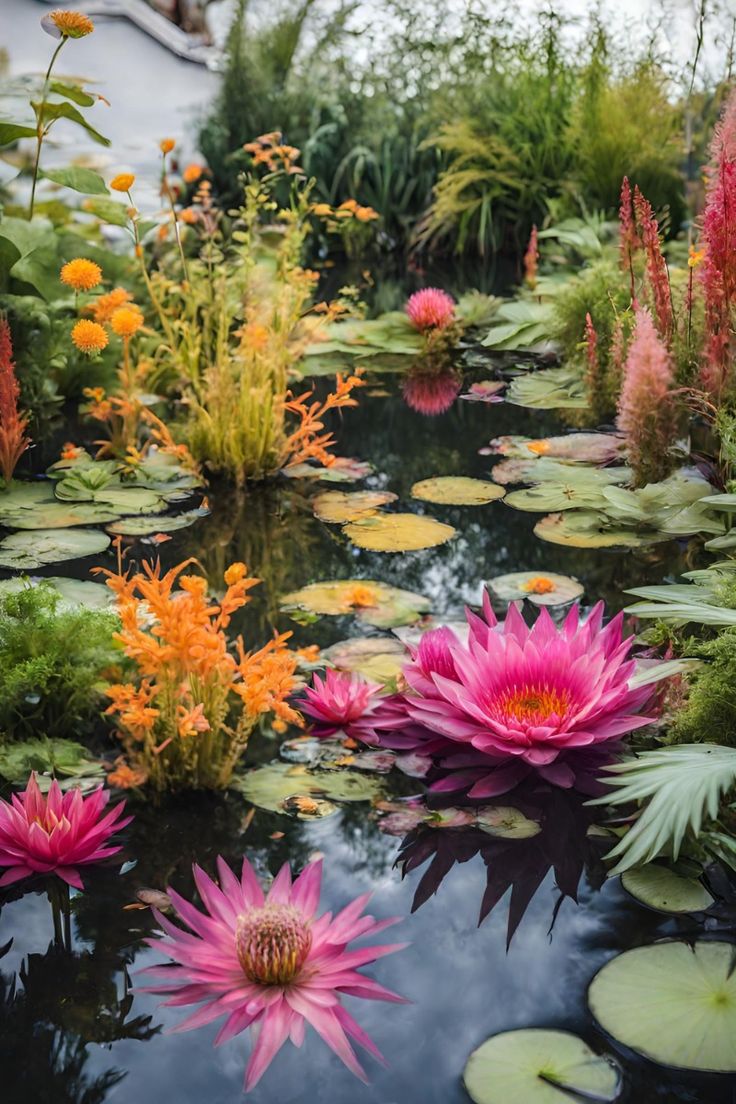
A well-designed pond can become the centerpiece of any garden, adding color, movement, and a peaceful natural atmosphere. One of the easiest ways to make a pond more attractive while supporting a healthy aquatic environment is by choosing the right plants. From colorful floating flowers to useful oxygenating plants, pond vegetation can improve water quality and create shelter for aquatic life.
In this guide, we’ll explore the Best Pond Plants for a Beautiful and Healthy Water Garden, including popular choices for different areas of your pond and tips for keeping them thriving.
Why Pond Plants Are Important
Pond plants do more than simply make your water garden look beautiful. They can provide several practical benefits:
- Improve water quality: Many aquatic plants absorb excess nutrients from the water.
- Provide shade: Floating leaves can help reduce excessive sunlight reaching the water.
- Support wildlife: Plants offer shelter and habitat for insects, frogs, fish, and other pond visitors.
- Add visual interest: Flowers, foliage, and different plant heights create a natural and attractive landscape.
- Help balance the ecosystem: Aquatic plants can contribute to a healthier pond environment when used appropriately.
Best Pond Plants for Your Water Garden
1. Water Lilies
Water lilies are among the most popular choices for garden ponds. Their broad, floating leaves provide shade across the water surface, while their flowers can add beautiful colors such as pink, white, yellow, and red.
Place water lilies in containers beneath the water surface and choose varieties appropriate for the depth and size of your pond.
2. Lotus
Lotus plants are an excellent choice when you want a dramatic focal point. Their large leaves and distinctive flowers can rise above the surface, creating an impressive display during the growing season.
Because lotus can spread quickly, they are generally better suited to larger ponds or containers where their growth can be controlled.
3. Water Hyacinth
Water hyacinth is a floating plant recognized for its attractive green foliage and delicate flowers. It can provide shade and cover for aquatic creatures while adding texture to the surface of the pond.
However, check local regulations before planting it, as water hyacinth can become invasive in some regions.
4. Anacharis
For gardeners interested in plants that grow below the water’s surface, anacharis is a popular option. It is an oxygenating plant that can contribute to a healthy aquatic environment and provide underwater cover for small aquatic animals.
It is particularly useful when you want to add greenery without covering much of the pond’s surface.
5. Cattails
Cattails are excellent marginal plants for ponds with a natural or wildlife-inspired appearance. They grow around the edges of water and provide height, texture, and habitat.
Because some cattail varieties can spread aggressively, plant them where their growth can be monitored.
6. Water Iris
Water iris brings attractive flowers and vertical foliage to the pond’s edge. It works particularly well in shallow areas and can help create a transition between the pond and the surrounding garden.
Its upright growth also provides contrast against plants with floating or low-growing leaves.
Choosing Plants for Different Pond Areas
Not every aquatic plant should be placed in the same location. Understanding the different planting zones can help you create a balanced water garden.
Floating Plants
Floating plants remain on the water’s surface and are useful for providing shade and visual coverage. Water hyacinth and similar floating species can work well, but avoid allowing fast-growing plants to cover the entire pond.
Submerged Plants
Submerged plants grow mostly underwater and can provide valuable habitat for aquatic life. Oxygenating plants such as anacharis are common choices for this area.
Marginal Plants
Marginal plants grow in shallow water around the pond’s edges. Cattails and water iris can add height and make the pond look more natural by blending it with the surrounding landscape.
Tips for Maintaining Healthy Pond Plants
Choosing the Best Pond Plants for a Beautiful and Healthy Water Garden is only the beginning. Proper maintenance is essential for keeping both plants and water healthy.
Start by selecting plants that are suitable for your local climate and the size of your pond. Avoid overcrowding because excessive vegetation can restrict water movement and create maintenance problems.
Remove dead leaves and flowers regularly, particularly before they sink and decompose in the water. Also, monitor fast-growing plants and divide or thin them when necessary.
It is equally important to maintain a balance between open water and plant coverage. A pond should have enough vegetation to provide shade and habitat without becoming completely covered.
Creating a Beautiful Plant Combination
A visually appealing pond usually benefits from a combination of plant types rather than relying on one species. For example, you might combine floating water lilies with submerged oxygenating plants and taller marginal plants around the edges.
Use different heights, colors, and textures to create depth. Flowering plants can provide seasonal color, while foliage plants help maintain visual interest even when flowers are not blooming.
Final Thoughts
The Best Pond Plants for a Beautiful and Healthy Water Garden depend on your pond’s size, depth, climate, and desired appearance. Water lilies and lotus can create stunning focal points, while submerged plants can add underwater greenery and marginal plants can give the pond a natural appearance.
With thoughtful plant selection and regular maintenance, your pond can become a vibrant part of your garden while providing a welcoming environment for aquatic wildlife.
